
Buying a hearing aid without consulting an audiologist doctor is possible, but it is not recommended—especially for long-term hearing health and optimal results. Hearing loss is a medical and functional condition that varies widely from person to person. An audiologist’s role is critical in identifying the type, degree, and underlying cause of hearing loss before selecting and fitting a hearing aid.
This article explains whether hearing aids can be purchased without consultation, the risks involved, and why professional audiological guidance is essential.
4
Is It Legally Possible to Buy a Hearing Aid Without an Audiologist?
Yes, in many places hearing aids are available:
Online through e-commerce platforms
Over the counter (OTC) at retail stores
From electronics shops or dealers
However, legal availability does not equal medical suitability. These devices are usually generic amplifiers and are not customized to an individual’s hearing profile.
Risks of Buying a Hearing Aid Without Consultation
1. Incorrect Diagnosis
Hearing loss may be:
Conductive
Sensorineural
Mixed
Temporary due to wax or infection
Without proper testing, you may use a hearing aid when medical treatment—not amplification—is required.
2. Wrong Type of Hearing Aid
Different hearing losses require different technologies such as:
BTE (Behind-the-Ear)
RIC (Receiver-in-Canal)
CIC (Completely-in-Canal)
A wrong selection can result in poor sound clarity, discomfort, or no benefit at all.
3. Risk of Further Hearing Damage
Excessive or incorrectly amplified sound can:
Overstimulate the ear
Worsen existing hearing loss
Cause headaches, dizziness, or tinnitus
Audiologists program hearing aids using safe, evidence-based levels.
4. Poor Speech Understanding
Generic hearing aids amplify all sounds equally, including noise. Without professional tuning:
Speech remains unclear
Background noise becomes disturbing
User frustration increases
5. Lack of After-Sales Support
Without an audiologist, you miss:
Fine-tuning and follow-ups
Ear mould adjustments
Counseling and rehabilitation
Repairs and maintenance guidance
Why Consulting an Audiologist Is Important
An audiologist provides:
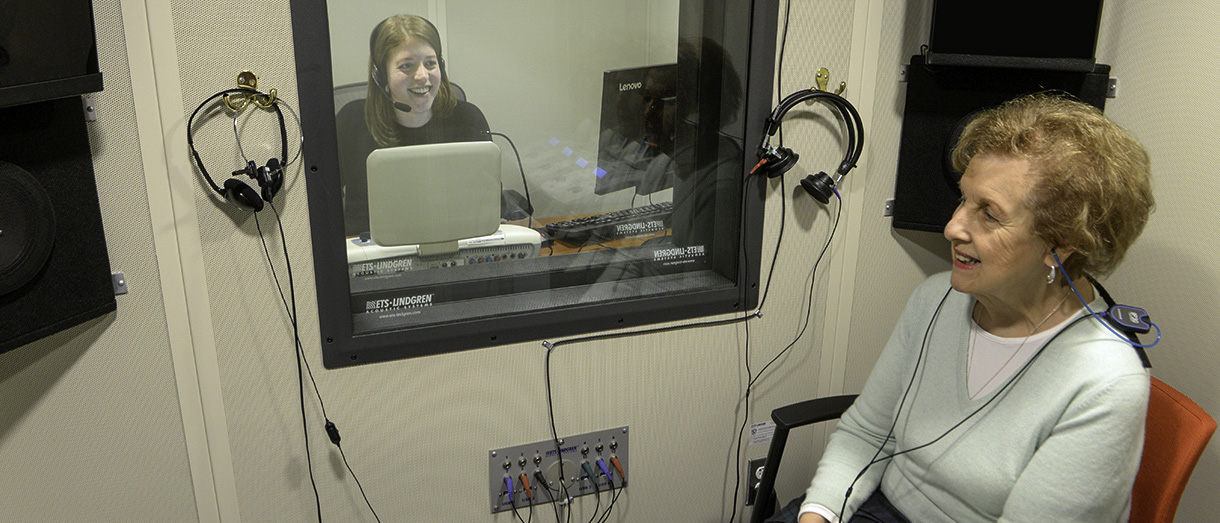
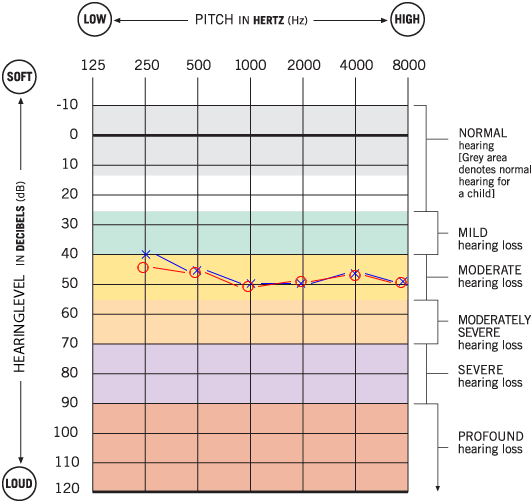
Comprehensive hearing evaluation (pure tone audiometry, speech testing)
Personalized hearing aid selection
Digital programming based on audiogram
Trial and adaptation period
Long-term hearing care and support
Hearing aids are medical devices, not simple sound amplifiers.
Are OTC Hearing Aids Suitable for Everyone?
OTC hearing aids may help people with very mild hearing difficulty, but they:
Do not replace diagnostic testing
Are unsuitable for moderate to severe hearing loss
Do not address complex hearing conditions
They are not advised for children, seniors with multiple health conditions, or individuals with sudden hearing loss.
