Pros and Cons of Hearing Aids with Rechargeable Batteries
Pros and Cons of Hearing Aids with Rechargeable Batteries
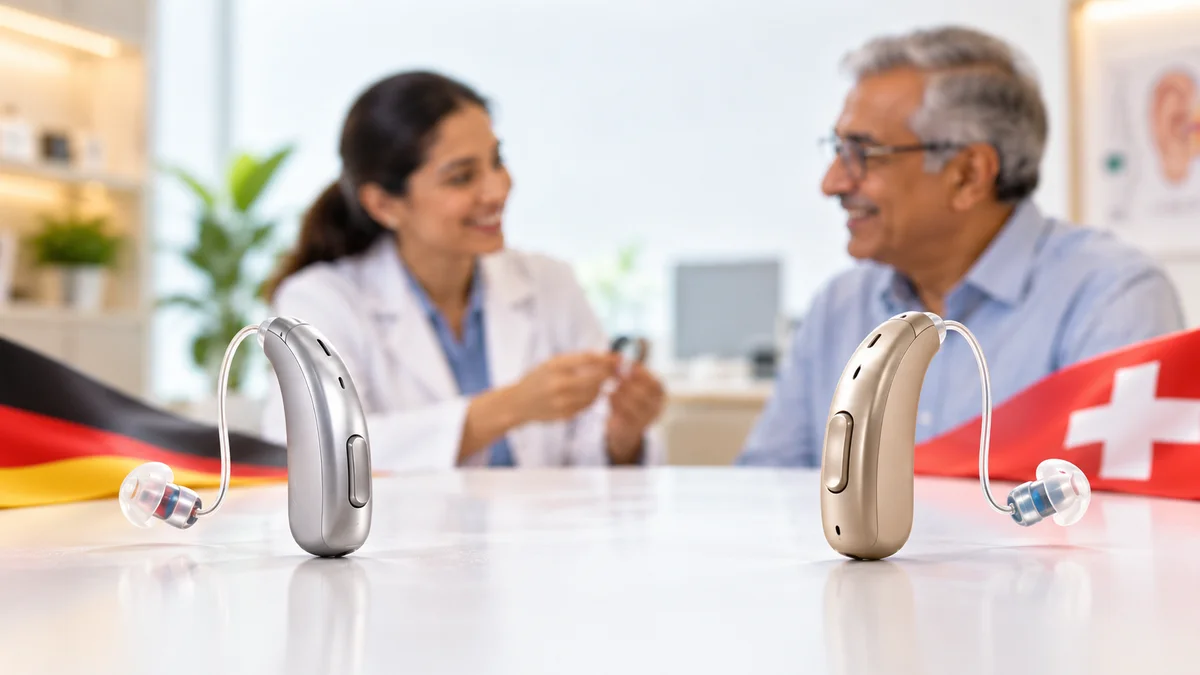
If you or a loved one is considering hearing aids, one of the most common questions today is whether to choose a model with rechargeable batteries or stick with traditional disposable ones. As hearing aid technology continues to advance, rechargeable options have become increasingly popular — but they are not the right fit for everyone. At VR Hearing Clinic, we help patients make informed decisions based on their lifestyle, hearing loss, and personal preferences. Here is a comprehensive look at the pros and cons of hearing aids with rechargeable batteries.
What Are Rechargeable Hearing Aids?
Rechargeable hearing aids are devices powered by built-in lithium-ion batteries that can be charged overnight using a charging dock or case, much like a smartphone. Unlike traditional hearing aids that require users to replace small disposable zinc-air batteries every few days or weeks, rechargeable models are designed for daily charging and long-term convenience.
Pros of Rechargeable Hearing Aids
1. Convenience and Ease of Use
One of the biggest advantages of rechargeable hearing aids is the convenience they offer. Simply place your hearing aids in their charging case each night and they are ready to use the next morning. There is no need to carry spare batteries or worry about running out of power unexpectedly during the day.
2. Ideal for People with Dexterity Challenges
Traditional hearing aid batteries are extremely small and can be very difficult to handle, especially for older adults or individuals with arthritis, limited hand strength, or reduced fine motor skills. Rechargeable hearing aids eliminate the need to handle tiny batteries altogether, making them a much more user-friendly option for many patients.
3. Cost Savings Over Time
While rechargeable hearing aids may have a higher upfront cost, they can save you money in the long run. Continuously purchasing disposable batteries adds up significantly over months and years. With a rechargeable model, that recurring expense is eliminated entirely.
4. Environmentally Friendly
Disposable zinc-air batteries contribute to environmental waste. A single pair of hearing aids can go through hundreds of batteries over their lifespan. Choosing rechargeable hearing aids significantly reduces the number of batteries ending up in landfills, making them a greener, more sustainable choice.
5. Full-Day Power on a Single Charge
Modern rechargeable hearing aids are designed to last a full day — typically 16 to 24 hours — on a single overnight charge. Many models now also support fast charging, where a 30-minute charge can provide several hours of use in a pinch.
6. Better Support for Wireless Features
Rechargeable hearing aids tend to handle wireless features such as Bluetooth streaming, app connectivity, and direct audio streaming more efficiently. Wireless functionality can drain disposable batteries quickly, but lithium-ion batteries in rechargeable models are better equipped to handle the additional power demand.
7. No Battery Door — More Moisture Resistance
Because rechargeable hearing aids do not have a battery door, they tend to have a more sealed and compact design. This often translates to better resistance against moisture, sweat, and dust — an important factor for active users.
Cons of Rechargeable Hearing Aids
1. Dependence on Charging Routine
If you forget to charge your hearing aids overnight, you may find yourself without functional devices the next day. Unlike disposable battery models where you can simply swap in a new battery on the go, running out of charge on a rechargeable device can be a significant inconvenience unless you have access to your charger.
2. Higher Initial Cost
Rechargeable hearing aids typically cost more upfront than their disposable battery counterparts. For some patients, this initial investment may be a barrier, even though the long-term savings on batteries can offset the difference over time.
3. Limited Portability of Charging Equipment
You need to carry your charging case whenever you travel or spend time away from home. If you lose or forget the charger, you may be left without working hearing aids until you can access a replacement. Disposable battery users simply need to carry a small pack of backup batteries.
4. Battery Life Degrades Over Time
Like all lithium-ion batteries, the built-in batteries in rechargeable hearing aids will gradually lose their capacity over time. After several years of use, the battery may not hold a full-day charge anymore. When this happens, the battery may need to be replaced by a professional, which can add to the overall cost of ownership.
5. Not Always Replaceable by the User
In most rechargeable hearing aids, the battery is sealed inside the device and cannot be swapped out by the user. Battery replacement must be done by a hearing care professional or sent back to the manufacturer, which may result in downtime without your hearing aids.
6. May Not Suit All Lifestyles
For patients who travel frequently to remote areas, spend extended time outdoors without access to electricity, or have irregular daily routines, the need for nightly charging may not always be practical. In such cases, disposable batteries may offer greater flexibility.
Rechargeable vs. Disposable Battery Hearing Aids: Which Is Right for You?
Choosing between rechargeable and disposable battery hearing aids depends on several personal factors, including your daily routine, level of dexterity, travel habits, budget, and hearing aid features. Neither option is universally better — the right choice is the one that fits seamlessly into your lifestyle and ensures you wear your hearing aids consistently.
At VR Hearing Clinic, our audiologists take the time to understand your unique needs and help match you with the hearing aid technology that will serve you best. Whether you are new to hearing aids or looking to upgrade your current devices, we are here to guide you every step of the way.
Frequently Asked Questions
How long do rechargeable hearing aid batteries last before needing replacement?
Most built-in lithium-ion batteries in rechargeable hearing aids last approximately three to five years before their capacity begins to noticeably decline. After that, the battery can usually be replaced by a hearing care professional.
Can rechargeable hearing aids be used while charging?
Most rechargeable hearing aids are not designed to be used while sitting in their charging dock. However, once removed from the charger, they provide a full day of use on a single charge.
Are rechargeable hearing aids suitable for severe hearing loss?
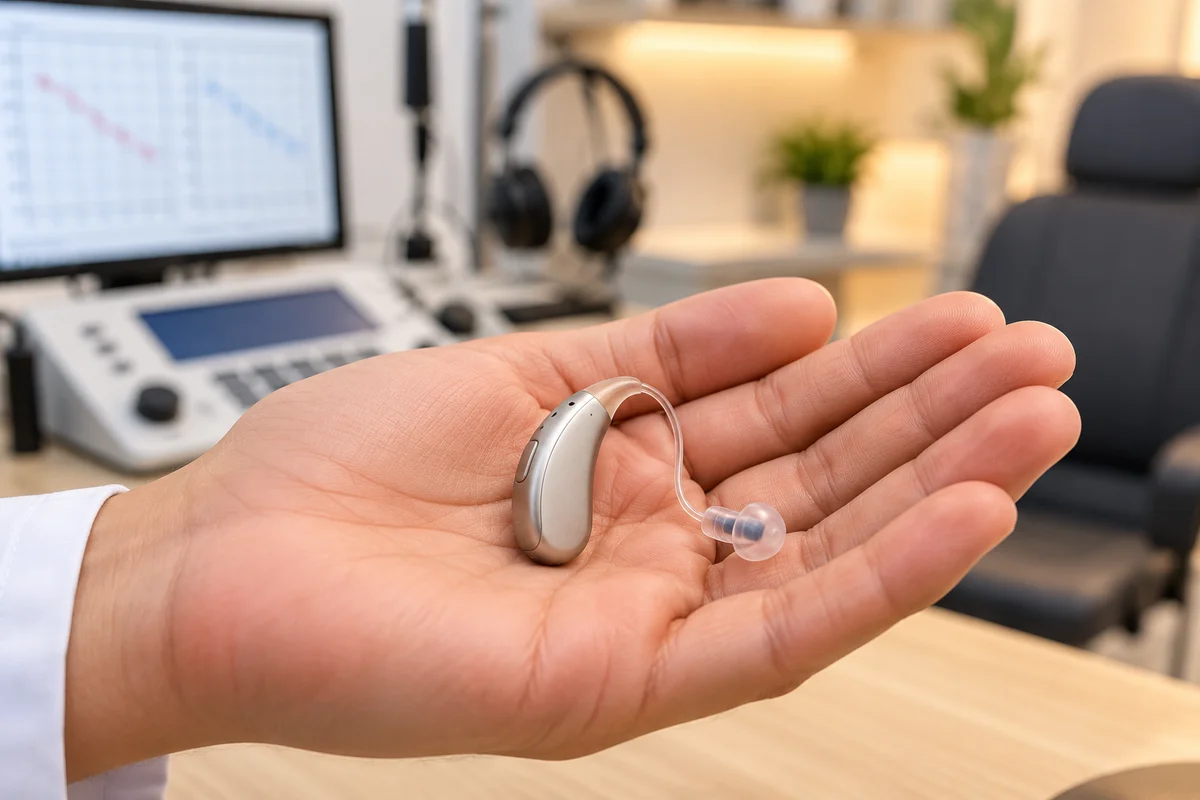
Yes, rechargeable hearing aids are available across a wide range of styles and power levels, including models designed for moderate to severe and even profound hearing loss. Your audiologist can recommend the most suitable option based on your audiogram results.
What happens if the power goes out and I cannot charge my hearing aids?
This is one of the practical limitations of rechargeable models. In situations where electricity is unavailable, some manufacturers offer portable charging cases with built-in battery packs, providing backup charging capability even without a wall outlet.
Make an Informed Decision at VR Hearing Clinic
Understanding the full picture of hearing aid technology helps you make a confident, informed choice. Rechargeable hearing aids offer outstanding convenience, ease of use, and long-term value for many patients — but they come with certain trade-offs worth considering carefully.
At VR Hearing Clinic, our team of experienced hearing care professionals is dedicated to helping you find the hearing solution that improves your quality of life. Contact us today to schedule a consultation and explore the latest rechargeable hearing aid options available to you.