Hearing loss affects people of all ages, but its causes, symptoms, impact, and treatment differ significantly between children and adults. Understanding these differences is crucial for early diagnosis, effective management, and long-term communication success. This SEO-friendly guide explains how hearing loss is different in children vs adults, helping parents, caregivers, and adults make informed healthcare decisions.
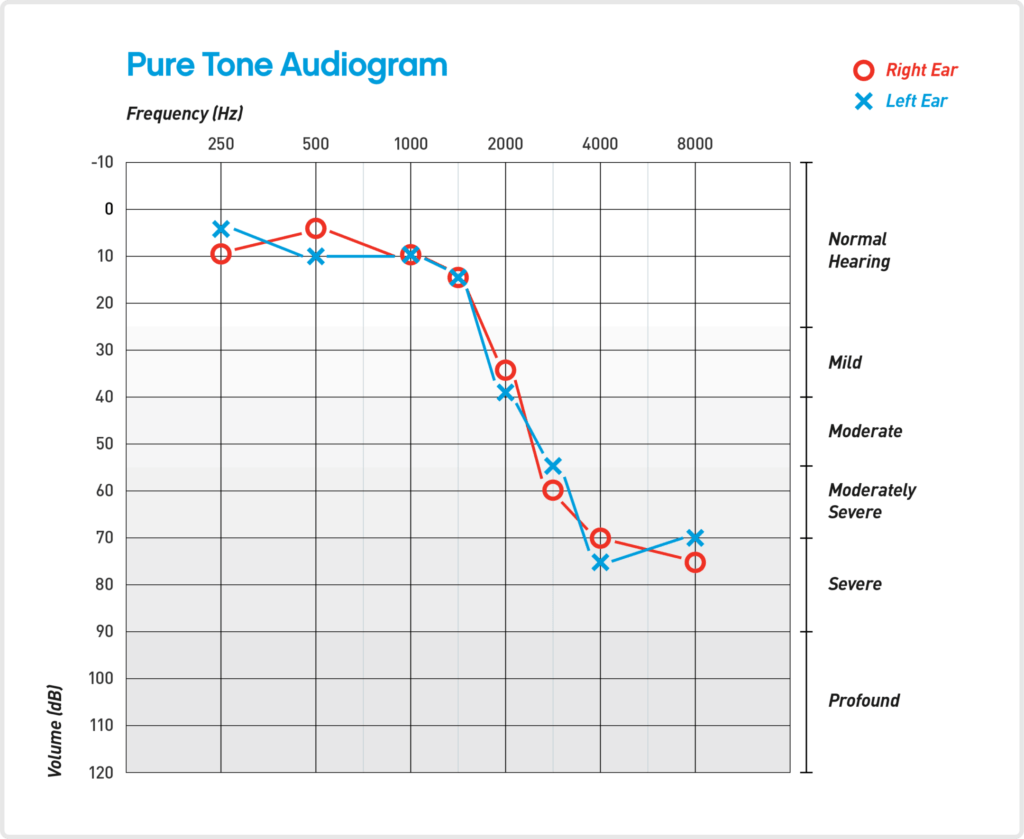
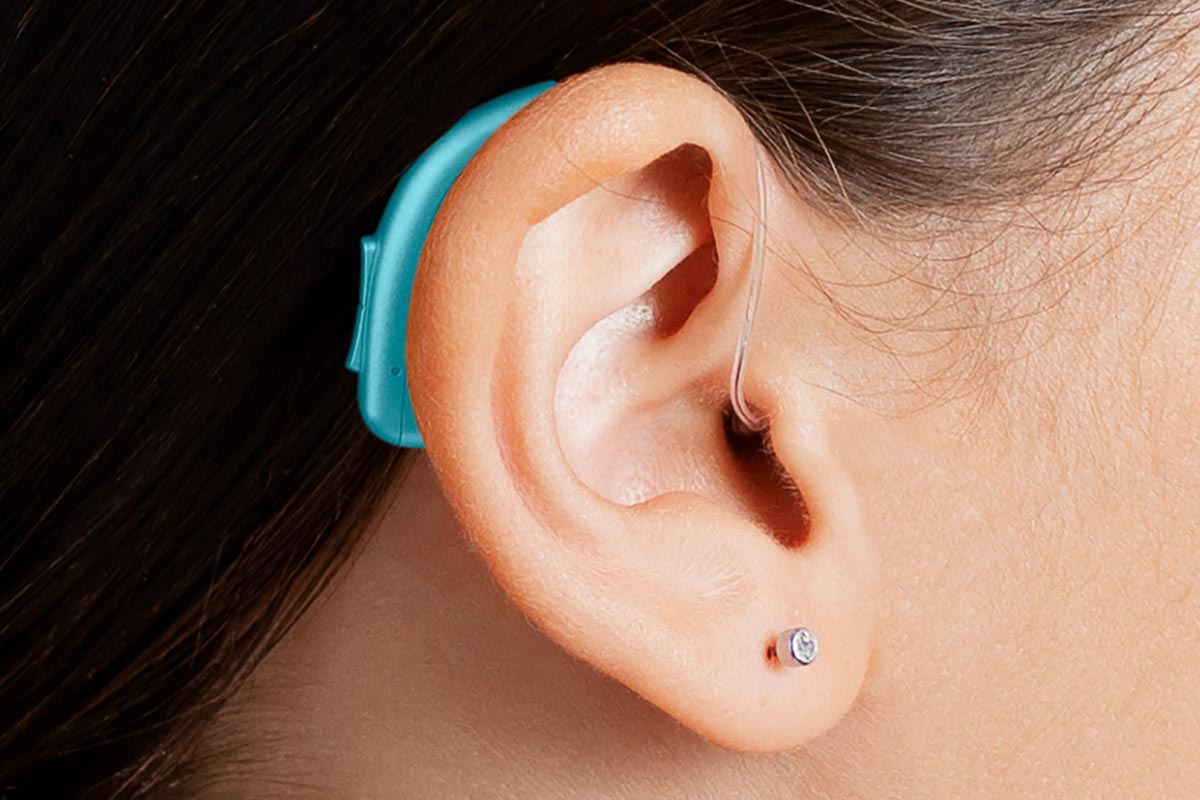
Understanding Hearing Loss Across Age Groups
Hearing loss refers to a partial or complete inability to hear sounds. While the medical condition may sound similar, the developmental and functional consequences vary greatly depending on whether the patient is a child or an adult.
Early identification is especially critical in children, as hearing plays a fundamental role in speech, language, learning, and social development.
Hearing Loss in Children
Common Causes of Hearing Loss in Children
Hearing loss in children is often congenital (present at birth) or develops in early childhood. Typical causes include:
-
Genetic factors
-
Birth complications or premature birth
-
Infections during pregnancy (rubella, CMV)
-
Middle-ear infections (otitis media)
-
Noise exposure from toys or loud environments
Signs and Symptoms in Children
Children may not be able to express hearing difficulties clearly. Warning signs include:
-
Delayed speech and language development
-
Not responding to name or familiar sounds
-
Poor academic performance
-
Inattention or behavioral issues
-
Difficulty following instructions
Impact of Hearing Loss on Children
Untreated hearing loss can lead to:
-
Speech and language delays
-
Poor literacy and learning outcomes
-
Social withdrawal and low confidence
-
Delayed cognitive development
Early intervention is essential to avoid long-term developmental challenges.
Management of Hearing Loss in Children
Treatment strategies often involve:
-
Pediatric hearing aids or cochlear implants
-
Early speech and language therapy
-
Family-centered auditory training
-
Regular hearing monitoring and follow-ups
Hearing Loss in Adults
Common Causes of Hearing Loss in Adults
Adult hearing loss is usually acquired and progressive, developing over time. Common causes include:
-
Age-related hearing loss (presbycusis)
-
Prolonged exposure to loud noise
-
Ear infections or medical conditions
-
Certain medications (ototoxic drugs)
-
Head injury or trauma
Signs and Symptoms in Adults
Adults may notice:
-
Difficulty understanding speech, especially in noise
-
Frequently asking others to repeat
-
Increasing TV or phone volume
-
Ringing in the ears (tinnitus)
-
Social fatigue and frustration
Impact of Hearing Loss on Adults
If left untreated, adult hearing loss can cause:
-
Social isolation
-
Work and communication challenges
-
Emotional stress and depression
-
Increased risk of cognitive decline
Management of Hearing Loss in Adults
Management usually includes:
-
Digital hearing aids
-
Assistive listening devices
-
Communication strategies and counseling
-
Regular hearing aid fine-tuning
Key Differences Between Hearing Loss in Children vs Adults
| Aspect | Children | Adults |
|---|---|---|
| Onset | Often congenital or early childhood | Usually gradual and age-related |
| Awareness | Child may not recognize the problem | Adult often self-aware |
| Main Impact | Speech, language, learning | Communication, work, social life |
| Diagnosis | Requires parental and professional observation | Based on reported difficulties |
| Treatment Focus | Development and language growth | 섭 |
Why Early Detection Matters More in Children
Children have a critical period for speech and language development. Hearing loss detected and treated early—ideally before 6 months of age—allows children to develop communication skills similar to their peers. In adults, early treatment improves quality of life but does not affect developmental milestones.