

Trusted by patients across India
50,000+
Happy Customers
40+
Clinics Across India
200+
Models in Stock
4.8★
Average Rating
Featured Products
A curated edit of what our customers love most right now.
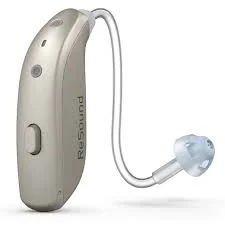
ReSound Nexia CROS Transmitter NP BTE + Desktop Charger
ReSound Nexia CROS Transmitter NP BTE is a wireless rechargeable transmitter designed for individuals with Single-Sided Deafness (SSD) or unaidable hearing loss in one ear. Compatible with ReSound Nexia hearing aids, it wirelessly transmits sound from the poorer ear to the better-hearing ear.
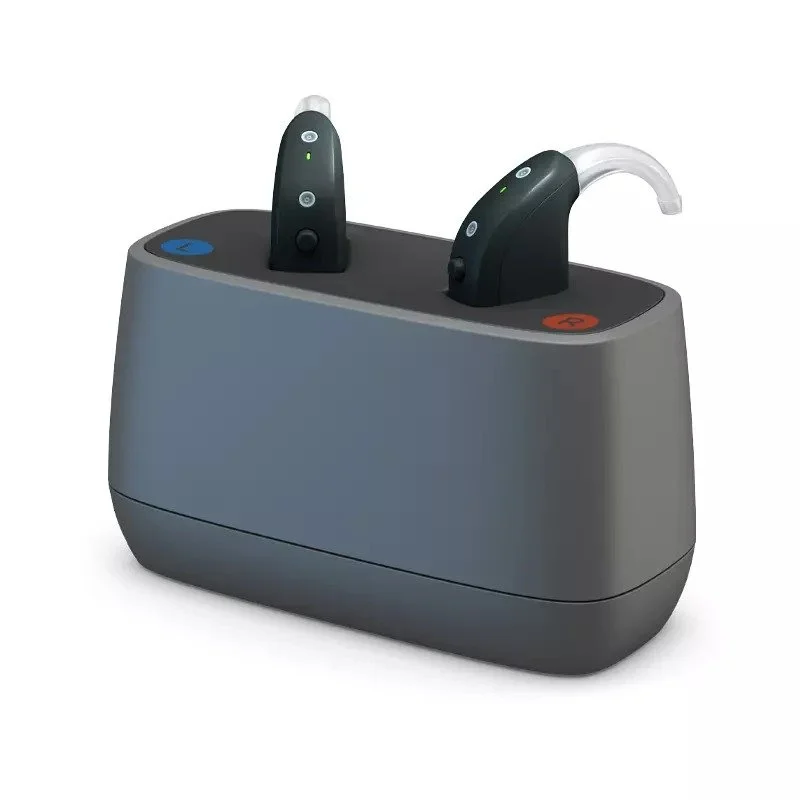
ReSound OMNIA 4 HP BTE (1 Hearing Aid + 1 Desktop Charger)
ReSound OMNIA 4 HP BTE is a rechargeable High Power Behind-The-Ear hearing aid designed for individuals with moderate to profound hearing loss. Featuring 12 advanced channels, wireless connectivity, rechargeable lithium-ion technology, and powerful amplification up to 110 dB.
ReSound OMNIA 4 HP BTE Rechargeable Kit (2 Hearing Aids + 1 Desktop Charger)
ReSound OMNIA 4 HP BTE Rechargeable Kit is a powerful rechargeable hearing solution designed for individuals with moderate to profound hearing loss. Featuring 12 advanced channels, Bluetooth connectivity, rechargeable lithium-ion technology, and powerful amplification up to 110 dB.
ReSound Nexia 4 HP BTE (1 Hearing Aid + 1 Desktop Charger)
ReSound Nexia 4 HP BTE is a rechargeable High Power Behind-The-Ear hearing aid designed for individuals with moderate to profound hearing loss. Featuring 12 advanced channels, Bluetooth connectivity, Auracast™ support, rechargeable lithium-ion technology, and powerful amplification up to 110 dB.
ReSound Nexia 4 HP BTE Rechargeable Kit (2 Hearing Aids + 1 Desktop Charger)
ReSound Nexia 4 HP BTE Rechargeable Kit is a powerful rechargeable hearing solution designed for individuals with moderate to profound hearing loss. Featuring 12 advanced channels, Bluetooth connectivity, Auracast™ support, rechargeable lithium-ion technology, and powerful amplification up to 110 dB
ReSound Nexia 5 HP BTE (1 Hearing Aid + 1 Desktop Charger)
ReSound Nexia 5 HP BTE is a rechargeable High Power Behind-The-Ear hearing aid designed for individuals with moderate to profound hearing loss. Featuring 12 advanced channels, Bluetooth connectivity, Auracast™ support, and powerful amplification up to 110 dB, it delivers clear speech understanding,
ReSound Nexia 5 HP BTE Rechargeable Kit (2 Hearing Aids + 1 Desktop Charger)
ReSound Nexia 5 HP BTE Rechargeable Kit is a powerful hearing solution designed for individuals with moderate to profound hearing loss. Featuring 12 advanced channels, rechargeable lithium-ion technology, Bluetooth connectivity, Auracast™ support, and powerful amplification up to 110 dB.
ReSound Nexia 7 HP BTE (1 Hearing Aid + 1 Desktop Charger)
ReSound Nexia 7 HP BTE is a premium rechargeable High Power Behind-The-Ear hearing aid designed for individuals with moderate to profound hearing loss. Featuring 14 advanced channels, Bluetooth connectivity, Auracast™ support, and powerful amplification up to 110 dB.
ReSound Nexia 7 HP BTE Rechargeable Kit (2 Hearing Aids + 1 Desktop Charger)
ReSound Nexia 7 HP BTE Rechargeable Kit is a powerful hearing solution designed for individuals with moderate to profound hearing loss. Featuring 14 advanced channels, rechargeable lithium-ion technology, Bluetooth connectivity, Auracast™ support, and powerful amplification up to 110 dB, it delivers
ReSound Nexia 9 HP BTE (1 Hearing Aid + 1 Desktop Charger)
ReSound Nexia 9 HP BTE is a premium rechargeable High Power Behind-The-Ear hearing aid designed for individuals with moderate to profound hearing loss. Featuring 17 advanced channels, Bluetooth connectivity, Auracast™ support, and powerful amplification up to 110 dB.
Bestsellers
Top-rated picks flying off the shelves.
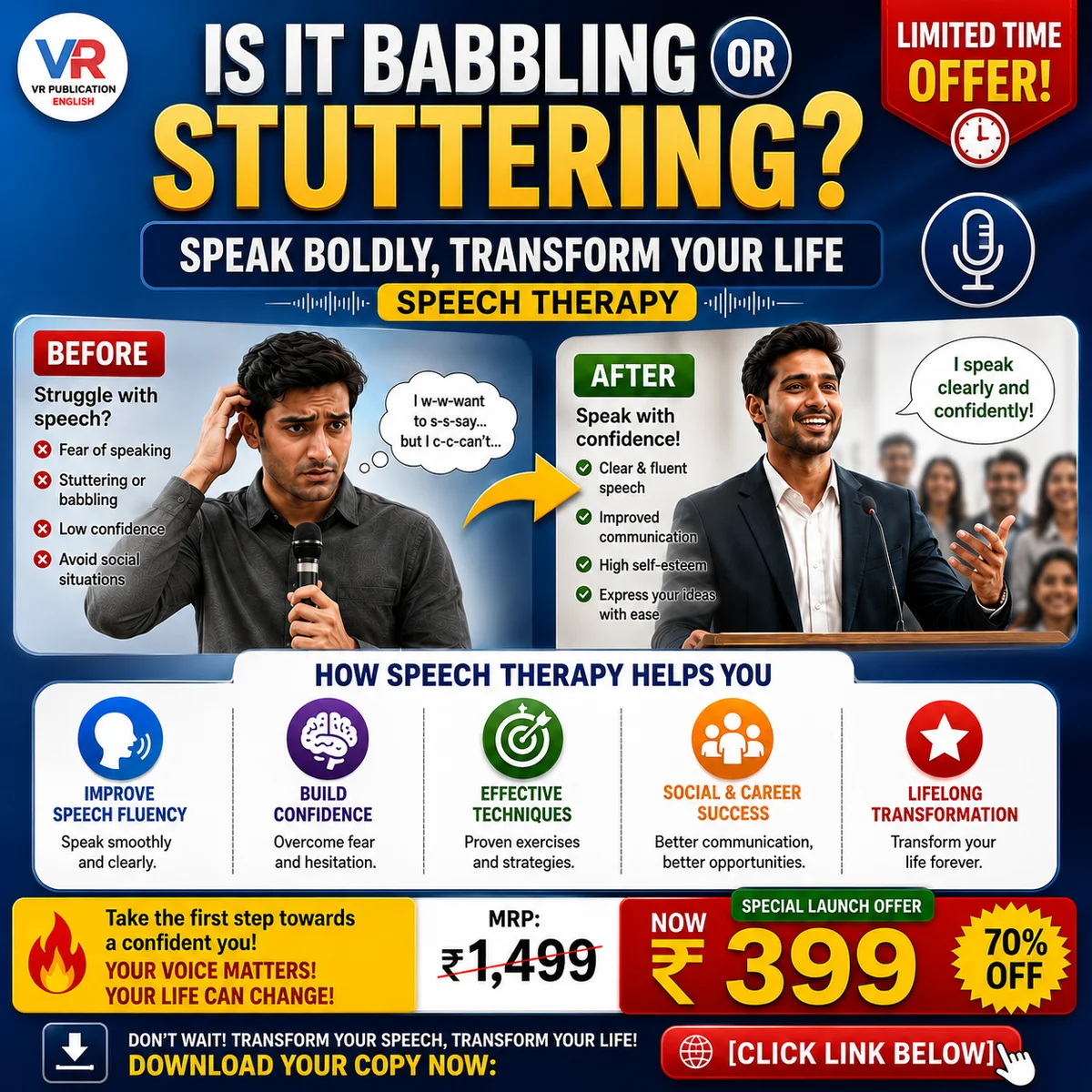
Is it babbling or stuttering? - Speak boldly, transform your life - Speech Therapy PDF Book
Speak Boldly is a practical guide to improving speech clarity, communication skills, and self-confidence. Learn simple techniques for clear pronunciation, voice control, and confident speaking to express yourself effectively in every situation.
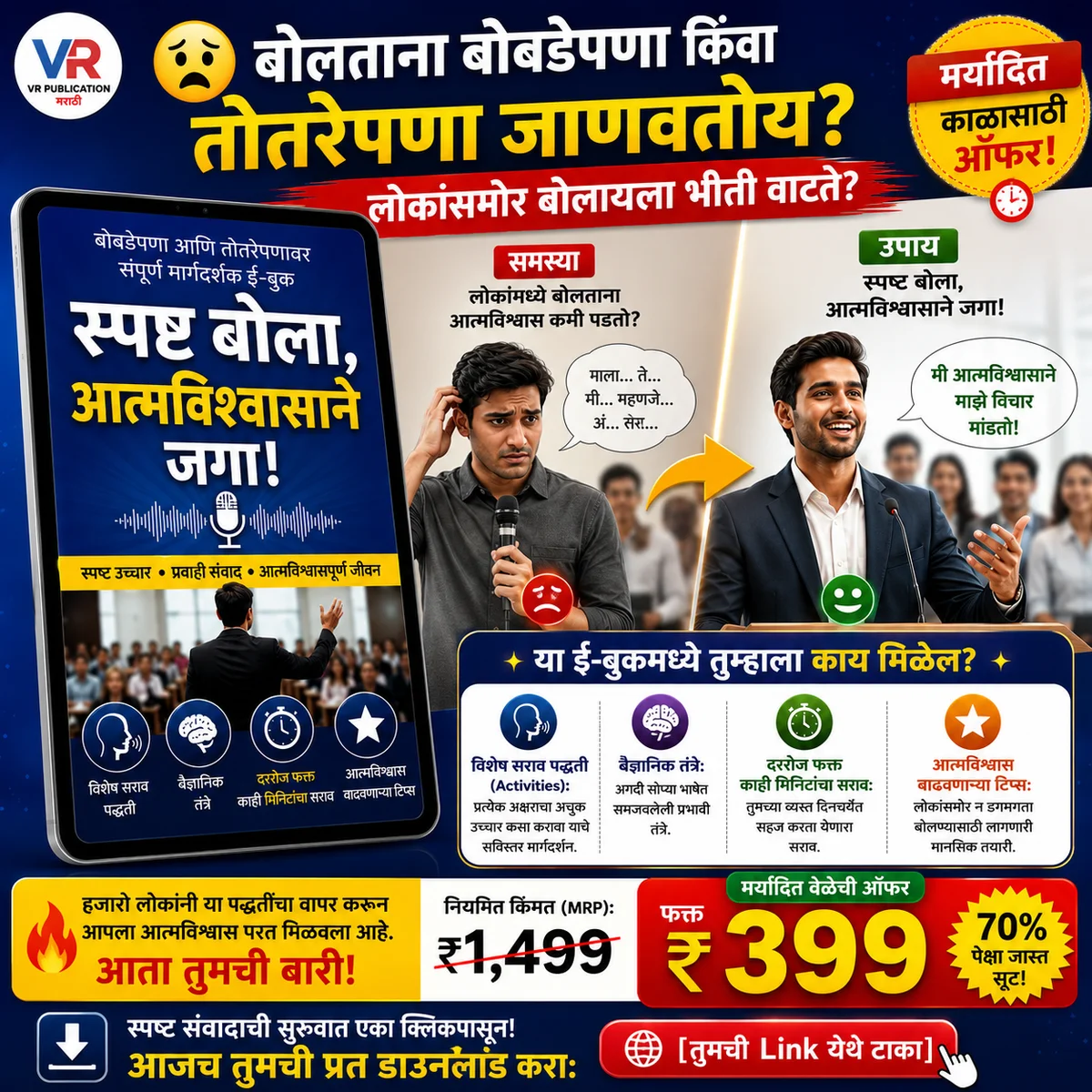
बोबडेपणा किंवा तोतरेपणा आहे? - Speech Therapy (Speak boldly, transform your life - Speech Therapy PDF Book
स्पष्ट बोला, आत्मविश्वासाने जगा! हे पुस्तक स्पष्ट उच्चार, आवाज नियंत्रण आणि आत्मविश्वासपूर्ण संवादासाठी एक सोपे आणि प्रभावी मार्गदर्शक आहे. विद्यार्थ्यांसाठी, व्यावसायिकांसाठी आणि प्रत्येकासाठी उपयुक्त.
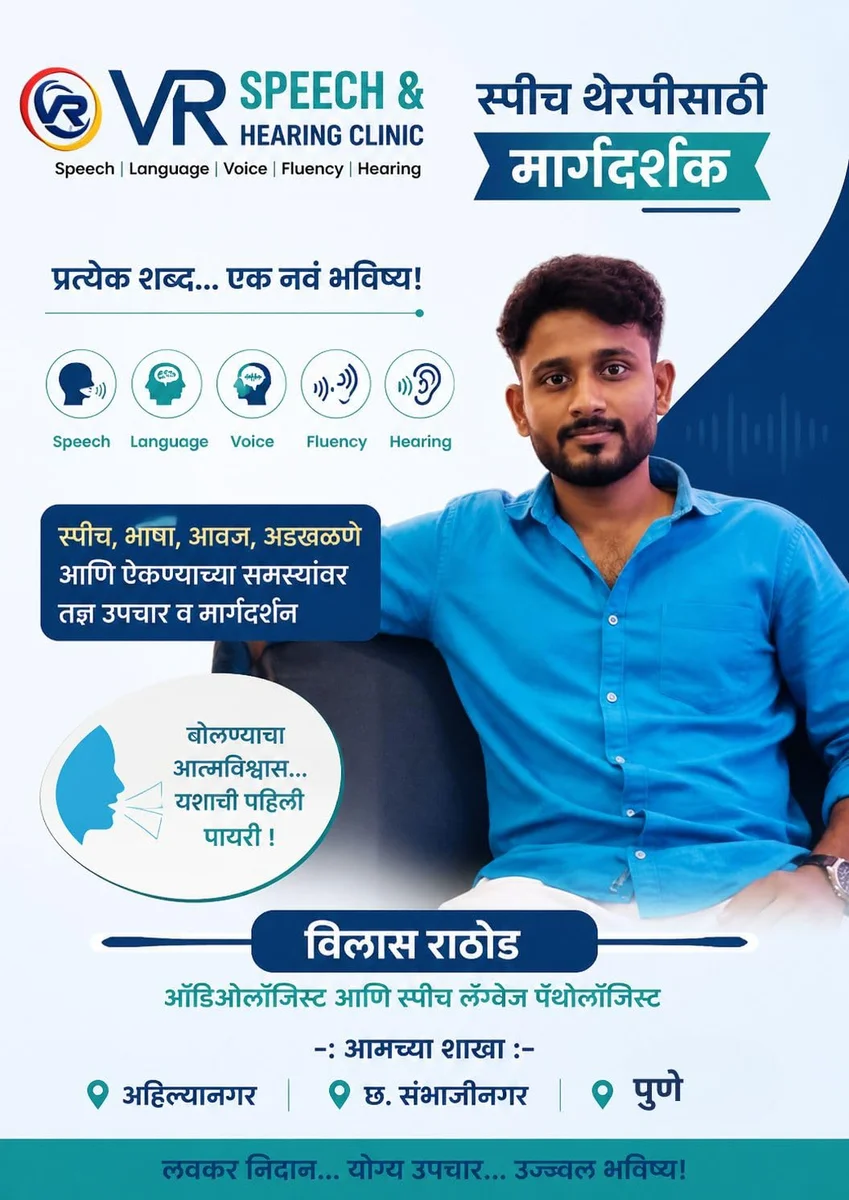
स्पीच थेरपीसाठी मार्गदर्शक - Speech Therapy Guide PDF Marathi
आजच्या वेगवान जीवनशैलीत प्रभावी संवाद (Communication) ही यशाची गुरुकिल्ली आहे. बोलण्यात अडचण, उच्चारातील चुका, अडखळणे (Stammering), भाषेचा उशीर (Speech Delay) किंवा ऐकण्याच्या समस्या या केवळ मुलांपुरत्या मर्यादित नसून प्रौढांनाही भेडसावतात. अशा सर्व समस्यांवर योग्य वेळी योग्य उपचार मिळणे अत्यंत आवश्
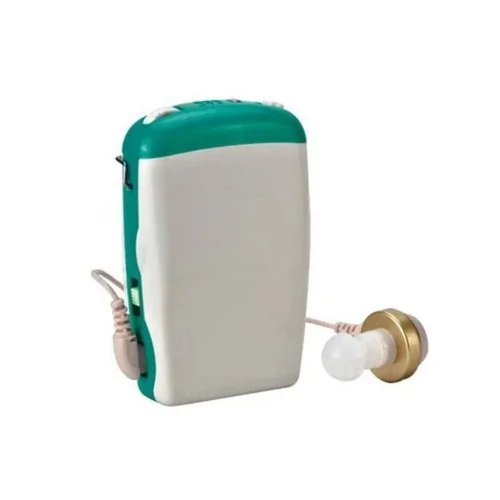
Earmart Pocket Hearing Aids
Earmart Pocket Hearing Aids (F-16P Model) is a wired box-type ear amplifier designed for elderly users and individuals with mild to moderate hearing difficulty. Featuring a 300–4000 Hz frequency range, 50 dB full-on gain, and AA battery operation, it provides simple, powerful sound
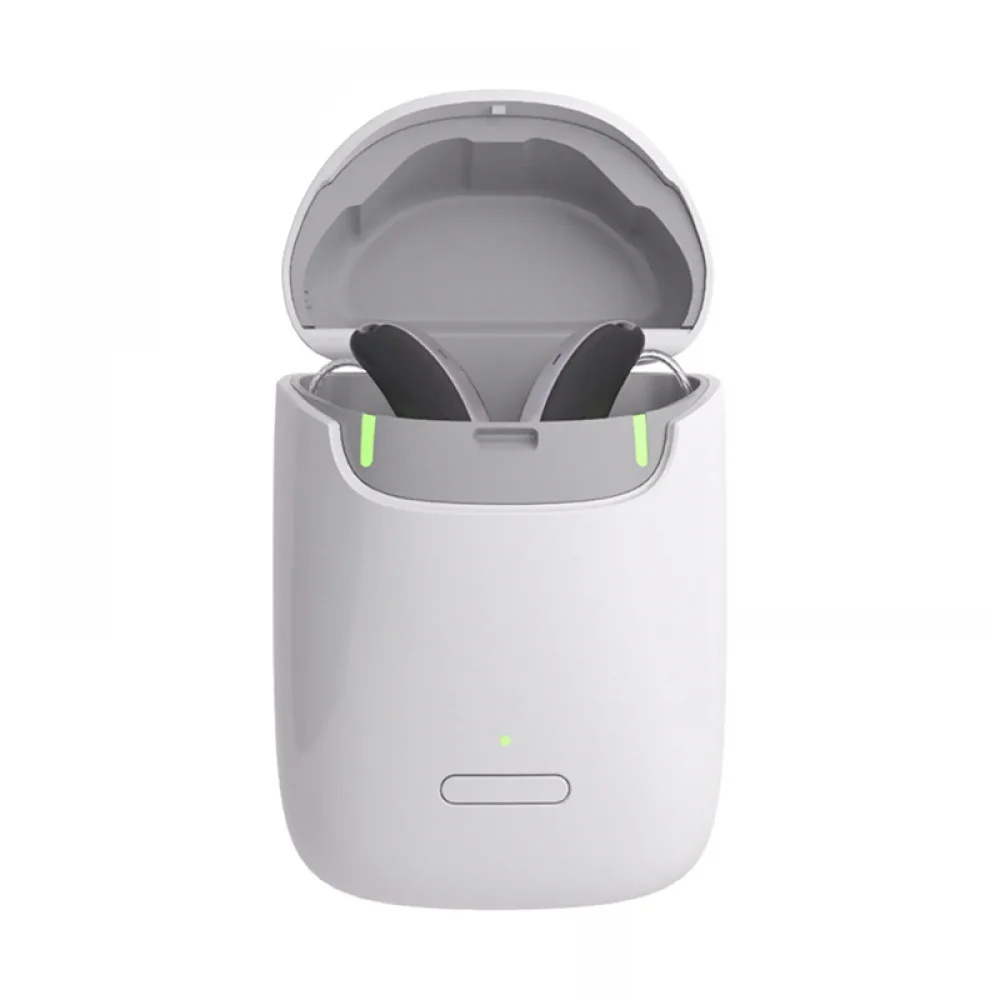
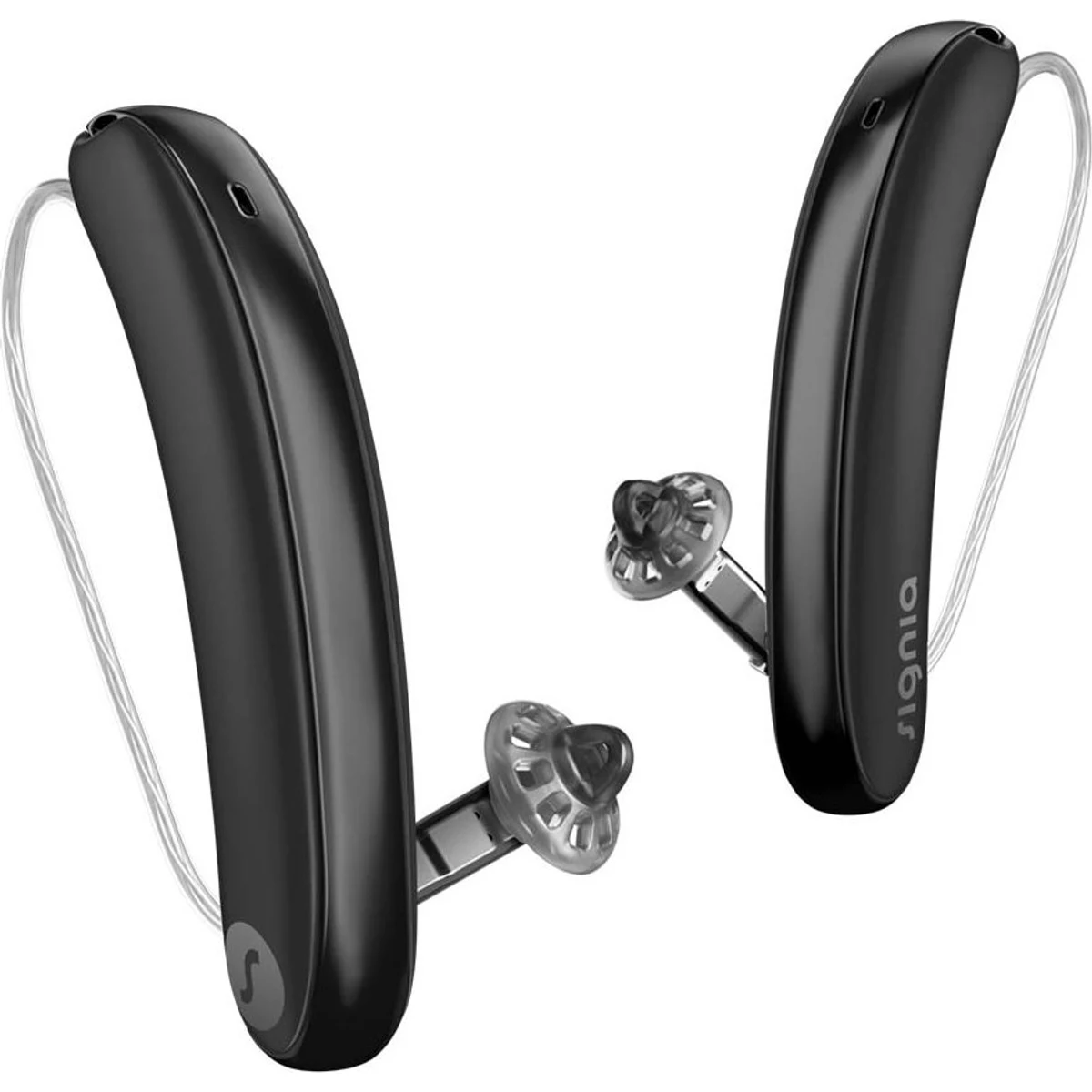
Signia Kit Styletto 1IX Hearing Aids
Rechargeable Slim-RIC hearing aid kit with Signia Integrated Xperience (IX) technology, 16-channel processing, Bluetooth connectivity, and clear, natural hearing for everyday life.
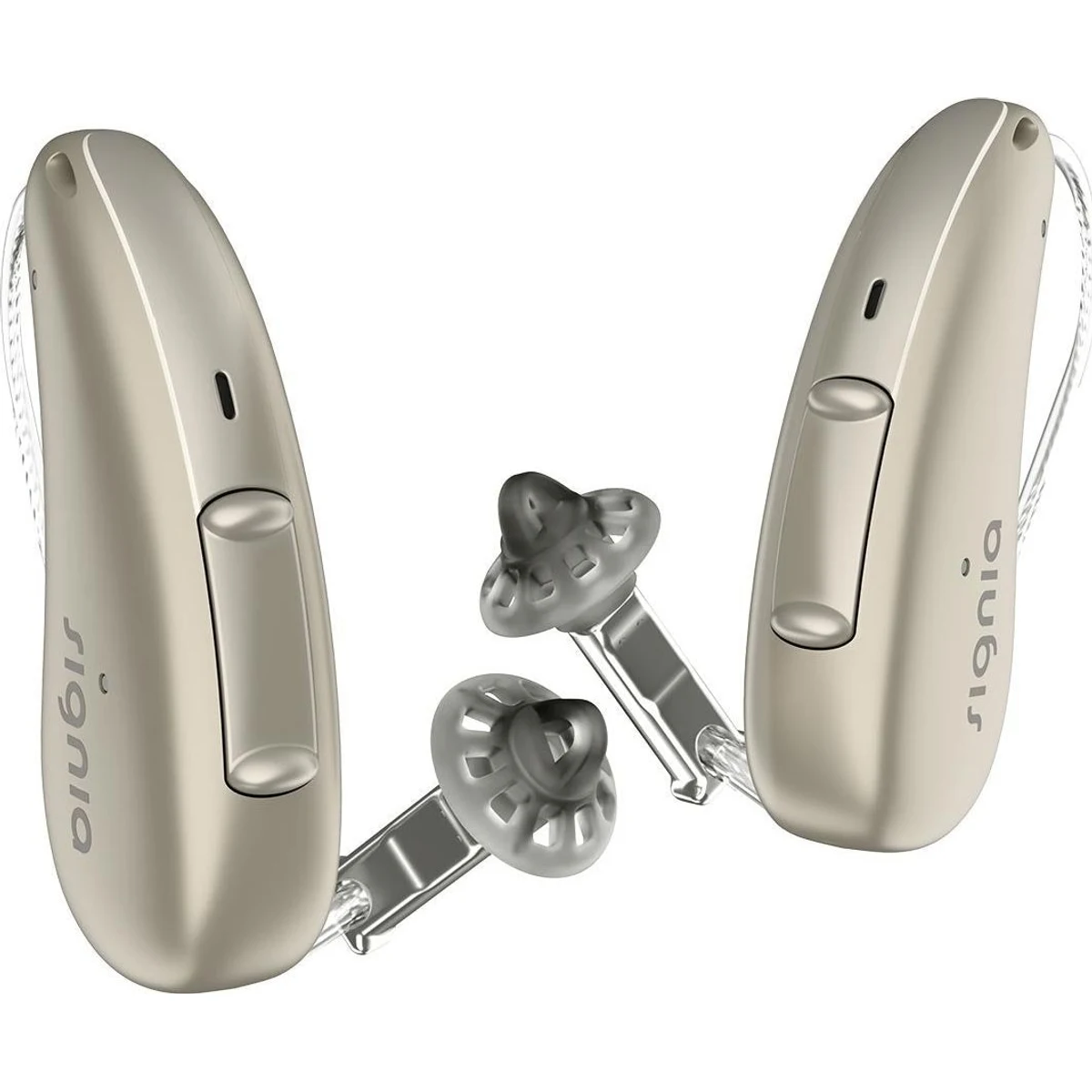
Signia Kit Styletto 1AX Hearing Aid
Signia Kit Styletto 1AX is a rechargeable Receiver-in-Canal (RIC) hearing aid pair featuring 16 processing channels, Augmented Xperience (AX) technology, Bluetooth connectivity, and a sleek slim design. It delivers clear speech understanding, natural sound quality, and comfortable all-day hearing su
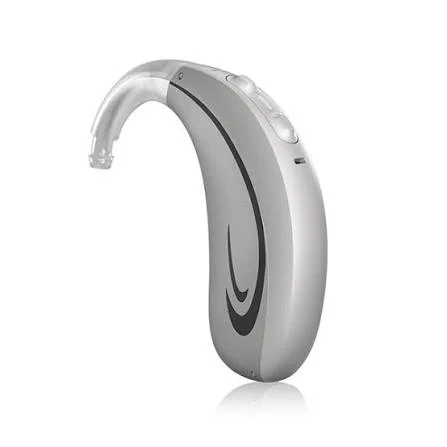
Hansaton Beat FS RT 675 UP 5 Comfort Hearing Aid (Single Unit)
Hansaton Beat FS RT 675 UP 5 Comfort is a powerful Bluetooth-enabled BTE hearing aid designed for severe to profound hearing loss. It offers natural sound quality, enhanced speech understanding, intelligent noise reduction, and comfortable all-day hearing performance.
Hansaton Beat FS RT 675 UP 9 First Hearing Aid (Single Unit)
Hansaton Beat FS RT 675 UP 9 First is a premium ultra-power BTE hearing aid designed for severe to profound hearing loss. It features advanced HearIntelligence™ technology, Bluetooth connectivity, superior speech clarity, and powerful amplification for maximum hearing performance.
ReSound Nexia CROS Transmitter NP BTE + Desktop Charger
ReSound Nexia CROS Transmitter NP BTE is a wireless rechargeable transmitter designed for individuals with Single-Sided Deafness (SSD) or unaidable hearing loss in one ear. Compatible with ReSound Nexia hearing aids, it wirelessly transmits sound from the poorer ear to the better-hearing ear.
ReSound OMNIA 4 HP BTE (1 Hearing Aid + 1 Desktop Charger)
ReSound OMNIA 4 HP BTE is a rechargeable High Power Behind-The-Ear hearing aid designed for individuals with moderate to profound hearing loss. Featuring 12 advanced channels, wireless connectivity, rechargeable lithium-ion technology, and powerful amplification up to 110 dB.
New Arrivals
Fresh drops added to the collection.
ReSound Nexia CROS Transmitter NP BTE + Desktop Charger
ReSound Nexia CROS Transmitter NP BTE is a wireless rechargeable transmitter designed for individuals with Single-Sided Deafness (SSD) or unaidable hearing loss in one ear. Compatible with ReSound Nexia hearing aids, it wirelessly transmits sound from the poorer ear to the better-hearing ear.
ReSound OMNIA 4 HP BTE (1 Hearing Aid + 1 Desktop Charger)
ReSound OMNIA 4 HP BTE is a rechargeable High Power Behind-The-Ear hearing aid designed for individuals with moderate to profound hearing loss. Featuring 12 advanced channels, wireless connectivity, rechargeable lithium-ion technology, and powerful amplification up to 110 dB.
ReSound OMNIA 4 HP BTE Rechargeable Kit (2 Hearing Aids + 1 Desktop Charger)
ReSound OMNIA 4 HP BTE Rechargeable Kit is a powerful rechargeable hearing solution designed for individuals with moderate to profound hearing loss. Featuring 12 advanced channels, Bluetooth connectivity, rechargeable lithium-ion technology, and powerful amplification up to 110 dB.
ReSound Nexia 4 HP BTE (1 Hearing Aid + 1 Desktop Charger)
ReSound Nexia 4 HP BTE is a rechargeable High Power Behind-The-Ear hearing aid designed for individuals with moderate to profound hearing loss. Featuring 12 advanced channels, Bluetooth connectivity, Auracast™ support, rechargeable lithium-ion technology, and powerful amplification up to 110 dB.
ReSound Nexia 4 HP BTE Rechargeable Kit (2 Hearing Aids + 1 Desktop Charger)
ReSound Nexia 4 HP BTE Rechargeable Kit is a powerful rechargeable hearing solution designed for individuals with moderate to profound hearing loss. Featuring 12 advanced channels, Bluetooth connectivity, Auracast™ support, rechargeable lithium-ion technology, and powerful amplification up to 110 dB
ReSound Nexia 5 HP BTE (1 Hearing Aid + 1 Desktop Charger)
ReSound Nexia 5 HP BTE is a rechargeable High Power Behind-The-Ear hearing aid designed for individuals with moderate to profound hearing loss. Featuring 12 advanced channels, Bluetooth connectivity, Auracast™ support, and powerful amplification up to 110 dB, it delivers clear speech understanding,
ReSound Nexia 5 HP BTE Rechargeable Kit (2 Hearing Aids + 1 Desktop Charger)
ReSound Nexia 5 HP BTE Rechargeable Kit is a powerful hearing solution designed for individuals with moderate to profound hearing loss. Featuring 12 advanced channels, rechargeable lithium-ion technology, Bluetooth connectivity, Auracast™ support, and powerful amplification up to 110 dB.
ReSound Nexia 7 HP BTE (1 Hearing Aid + 1 Desktop Charger)
ReSound Nexia 7 HP BTE is a premium rechargeable High Power Behind-The-Ear hearing aid designed for individuals with moderate to profound hearing loss. Featuring 14 advanced channels, Bluetooth connectivity, Auracast™ support, and powerful amplification up to 110 dB.
ReSound Nexia 7 HP BTE Rechargeable Kit (2 Hearing Aids + 1 Desktop Charger)
ReSound Nexia 7 HP BTE Rechargeable Kit is a powerful hearing solution designed for individuals with moderate to profound hearing loss. Featuring 14 advanced channels, rechargeable lithium-ion technology, Bluetooth connectivity, Auracast™ support, and powerful amplification up to 110 dB, it delivers
ReSound Nexia 9 HP BTE (1 Hearing Aid + 1 Desktop Charger)
ReSound Nexia 9 HP BTE is a premium rechargeable High Power Behind-The-Ear hearing aid designed for individuals with moderate to profound hearing loss. Featuring 17 advanced channels, Bluetooth connectivity, Auracast™ support, and powerful amplification up to 110 dB.
Your device, delivered & fitted at home
No clinic visit needed — our certified specialists come to you, anywhere in India.
Choose Online
Browse devices, compare features and prices, and get expert recommendations.
Free Test
Book a free assessment at home or at a nearby clinic — takes about 30 minutes.
Home Fitting
A specialist visits, fits and fine-tunes your device to your needs.
7-Day Trial
Live with it for a week. Love it or return it, hassle-free.
Which hearing aid matches your life?
Your hearing aid should complement your lifestyle — not limit it.
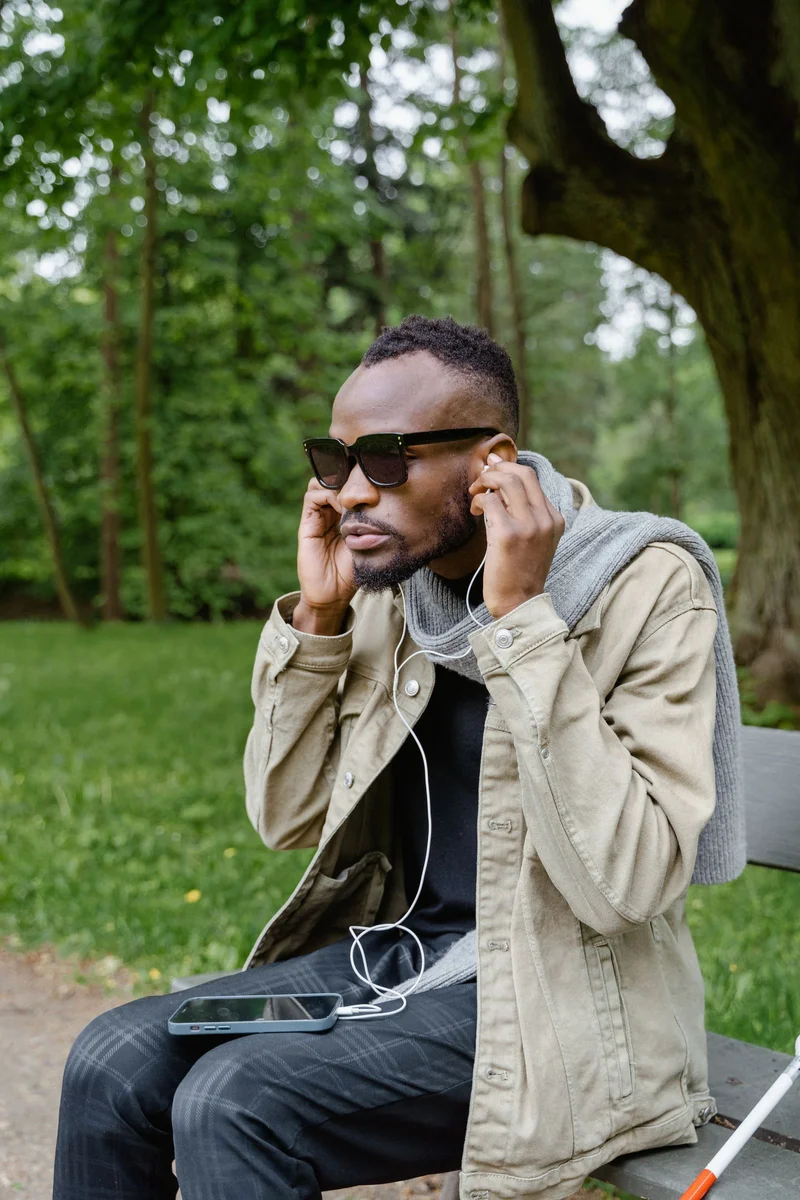
Stay active, stay connected
Sweat- and water-resistant, all-day battery, seamless phone calls.
Explore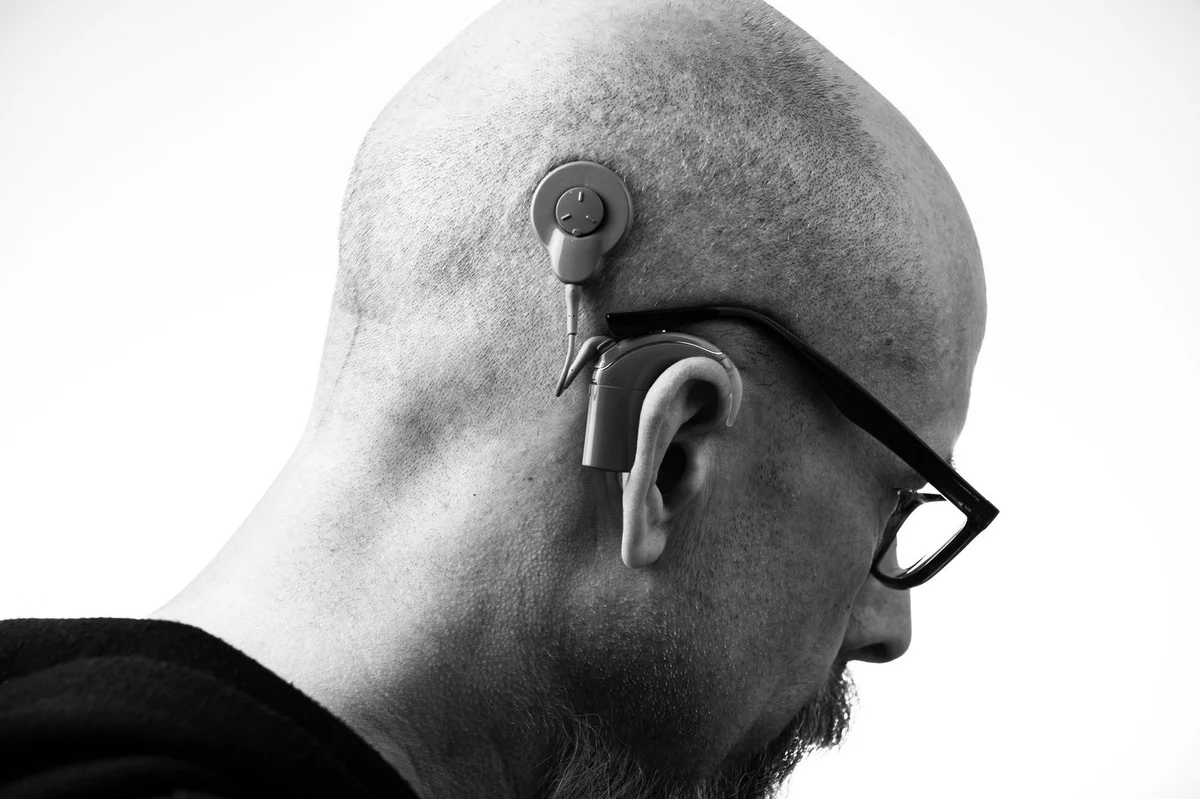
Look elegant, hear brilliantly
Ultra-slim, in-canal styles for people who see hearing aids as accessories.
Explore
Never miss a conversation
AI noise reduction that brings speech forward in noisy, crowded rooms.
ExploreWatch real devices, real results
Short demos of the latest hearing technology.


What people are saying
Phonak rechargeable hearing aids from Vr Speech and Hearing Clinic have truly enhanced my daily life in Sambhajinagar. The clarity of sound is impressive, making conversations so much easier. The staff were incredibly patient and thorough during my consultation, explaining everything clearly

Signia hearing aids at Vr Speech And Hearing Clinic have genuinely improved my daily conversations. The fitting process was meticulous, and the staff truly listened to my concerns, offering insightful solutions. Sambhajinagar clinic provides a very supportive environment for hearing care.
Vr Speech And Hearing Clinic in Sambhajinagar provided thorough and patient care for my hearing aid. They identified the issue quickly and resolved it efficiently. My hearing has significantly improved since their service. A very positive experience.
Speech And Hearing Clinic in Sambhajinagar has been wonderfully helpful. They offer Phonak hearing aids that have truly made a difference in my daily life, allowing me to engage more fully in conversations. The personalized care I received was much appreciated, and the clear explanat
Vr Speech And Hearing Clinic for my Signia hearing aids has been very thorough. Finding the right fit and adjustment took time, but the team was patient and attentive. The difference these aids have made is substantial. Location is quite convenient too.
Vr Speech And Hearing Clinic provided truly helpful service. My Signia hearing aid fitting was expertly handled, and I'm already noticing a significant improvement. The clinic's location is quite convenient too.
Vr Speech And Hearing Clinic in Sambhajinagar was very professional. My new Phonak hearing aids have made a tangible difference. I'm hearing sounds I haven't for years, experiencing much clearer conversations. This place genuinely helps people regain their auditory world. Highly appre
Finding discreet hearing support was crucial, and Vr Speech and Hearing Clinic delivered. The invisible hearing aid options are incredibly subtle, allowing me to engage more confidently. The team here offers attentive service and sound guidance. A worthwhile visit for improved hearing.
A guide to prices
Transparent pricing — from essential digital aids to premium AI-powered devices. EMI available.
Up to ₹50,000
Reliable digital aids for everyday hearing.
₹50,000 – ₹1,00,000
Rechargeable, Bluetooth, great in noise.
₹1,00,000+
AI noise control, slim invisible designs, top clarity.
Buy it your way
However you like to shop — we're one tap away.